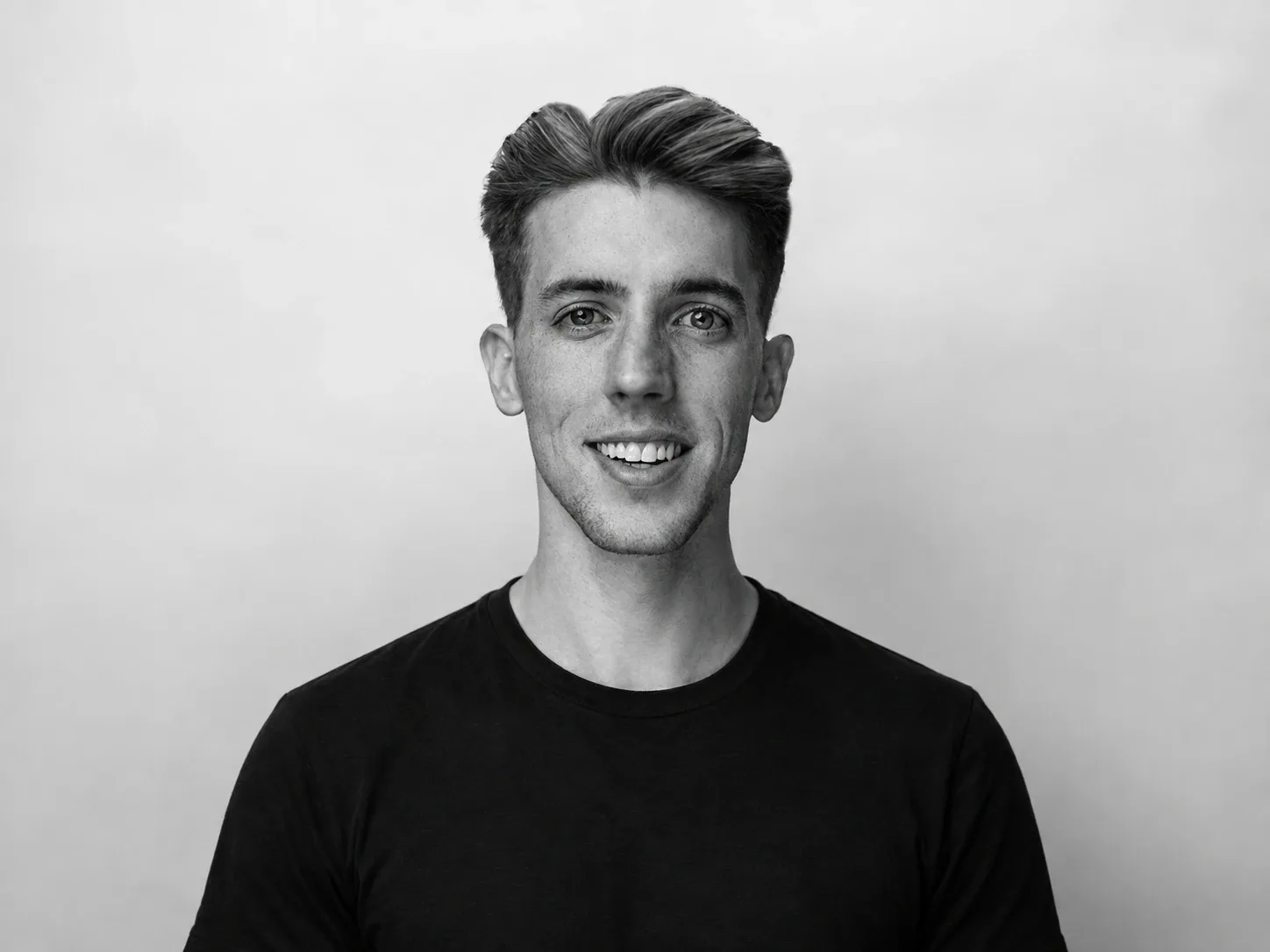
About
Less is more.
I've always been drawn to the moments that don't need much explanation.
My first experience with a camera came when I was young, photographing wildlife on hunting trips with my dad in Oklahoma. Years later, I studied journalism at Oklahoma State University, where I learned to look for the story behind the image. Photography became a natural extension of that.
Since then, I've had the opportunity to travel around the world photographing for nonprofit and missions organizations, documenting events, creating portraits, and telling stories of people from all different walks of life. Those experiences have shaped the way I see photography. I've learned that no matter where you are or what your story looks like, there is something worth capturing in every person.
Today, I live in Celina, Texas, with my wife, Amy. We attend Shoreline City Church, and are honored to be a small part of what God is doing there. I spend a lot of my life around people, stories, and moments that matter — and photography has become one of my favorite ways to preserve them.
I'm not interested in making photographs feel overly complicated. I want them to feel intentional, honest, and timeless. Whether it's a portrait, an engagement, a milestone, or an ordinary moment worth remembering.
For me, the best photographs don't just show you what something looked like. They remind you what it felt like to be there.
InquirePhilosophy
My Three Pillars
Vision changes how you approach everything — including a camera. These are the three ideas that shape the way I see, and the way I shoot.
Light

Genesis 1:3 — "And God said, 'Let there be light,' and there was light."
Light is the first thing God ever created. It is the fundamental element to all of life. Photography is more than just taking photos. It's about capturing and shaping light to narrate a story, freezing it in time.
Where the light falls, what it reveals, what it leaves in shadow... that's the actual craft. The camera, the lens, the location: all of it just serves the light.
Contrast

Contrast is the key ingredient to quality. An artist uses contrasting colors to add life to a painting. A dish needs something acidic against something rich, or sweet against salt, to actually taste like anything. A scent falls flat without a top note working against a base note.
Photography runs on the same rule. Without contrast — in light, in tone, in composition — images fall flat. Contrast is what gives photography depth, weight, and a reason to look twice.
Simplicity

I believe true skill is finding the easiest, most efficient way to complete a task. But that does not mean making the task itself easy. Take CrossFit: the best athletes in the world aren't the best because they've figured out how to make CrossFit easy. They've found the most efficient way to do something that's still genuinely hard.
This is my approach to photography. Less is always more — fewer props, fewer poses, fewer distractions. The skill was never in the complexity. It's in knowing exactly what to leave out.